
Headache Awareness Project in Ülemiste City
What is this project about?
Migrevention, Mainor Ülemiste, and Pealinna Perearstid have launched a joint project with the goal of making Ülemiste City the most headache-friendly and aware working environment.
The project focuses on the early recognition of primary headaches, raising awareness about them, and providing practical solutions for managing headaches — both at the individual and workplace level.
The project runs until spring 2026, during which we will implement various activities involving all members of the Ülemiste City community. The aim is to increase awareness and patient engagement in the treatment process, while also providing community employees with better opportunities to manage their health through lifestyle choices and innovative digital solutions.
What activities does the project include?
September 2025 – Awareness campaign in Ülemiste City
September 2025 – Introductory seminar for ÜC company representatives (details to follow)
Autumn 2025 – Headache seminars for employers in the ÜC community
Winter 2025 – Survey on the prevalence and impact of headaches in the ÜC community
Spring 2026 – Ülemiste City Interdisciplinary Health Conference and presentation of project results
How can you take part?
As a member of the Ülemiste City community, you can participate in the pilot project in several ways:
Download Migrevention’s digital headache diary
Attend seminars and workshops on headache-related topics
Respond to an anonymous user survey (further details to follow)
Join the pilot project’s closing event at the Ülemiste Health Conference in 2026 (further details to follow)
A primary headache is an independent medical condition — a neurological syndrome that is not a symptom of another health problem. It is distinguished from secondary headaches, which may be caused by trauma, inflammation, or other health issues.
Primary headaches include conditions such as migraine, tension-type headache, and cluster headache. These can significantly affect work ability and quality of life.
Primary headaches are very common: according to the latest population study, migraine alone affects 16.7% of Estonia’s population. Globally, primary headaches are often underdiagnosed and surrounded by stigma — “just endure it, it’s only a headache!”.
What is a primary headache?


Migrevention – the world’s first digital headache clinic
Migrevention is a digital health technology solution born and developed in the Ülemiste City community.
Its aim is to use modern, evidence-based methods to improve the treatment and monitoring of primary headaches, making life easier for both patients and healthcare professionals.
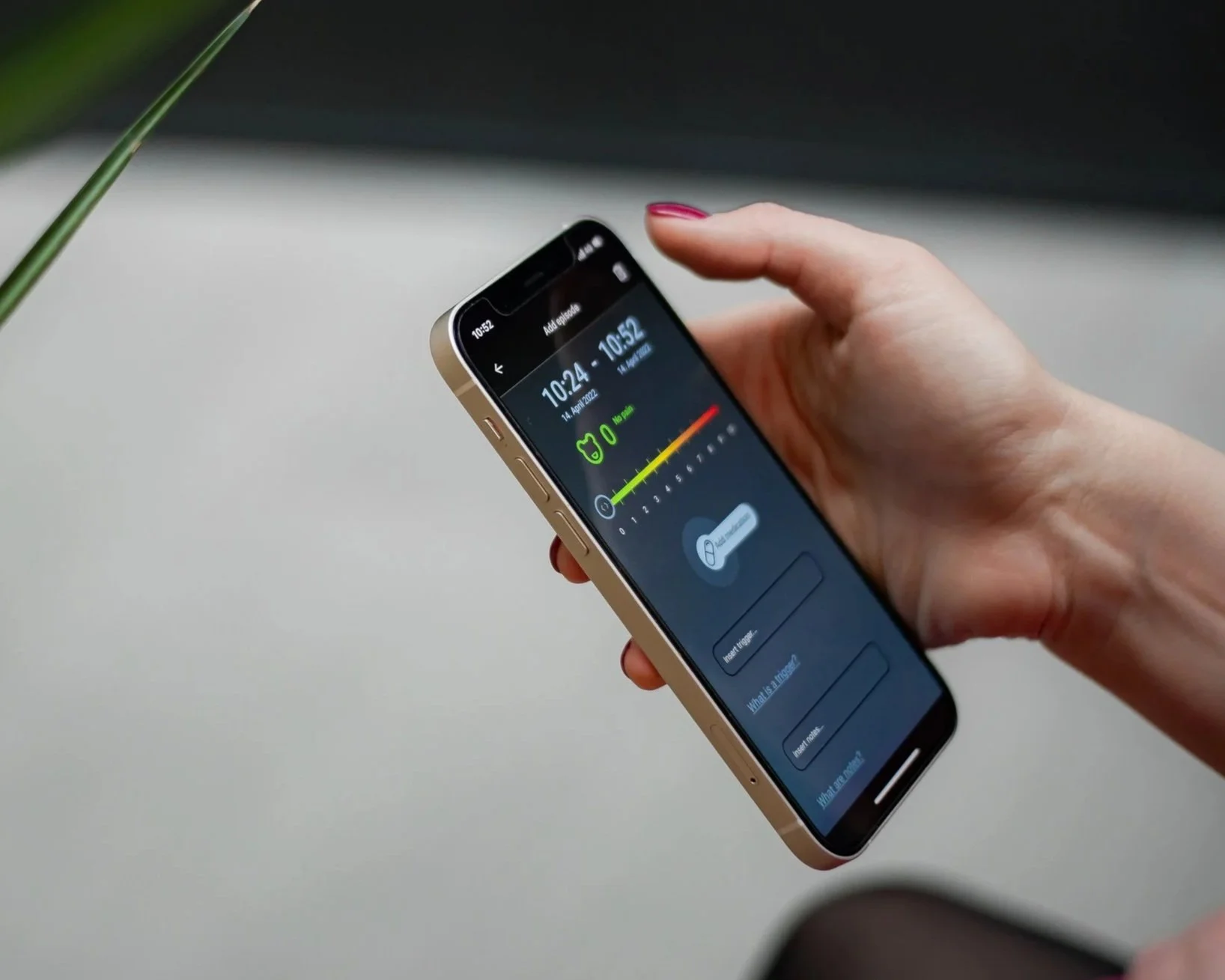
The Migrevention solution allows people with headaches to keep a simple and clinically validated headache diary, where they can log information related to their headache episodes. The app compiles this data into clear summaries, helping users better understand their headaches and potential triggers over time. The data can be securely shared with doctors or nurses, enabling more precise and personalized treatment.
Our solution is not just an idea — it is already in daily use at Ülemiste Health Centre, with Pealinna Perearstid, where it supports both patients and healthcare providers in managing headaches.
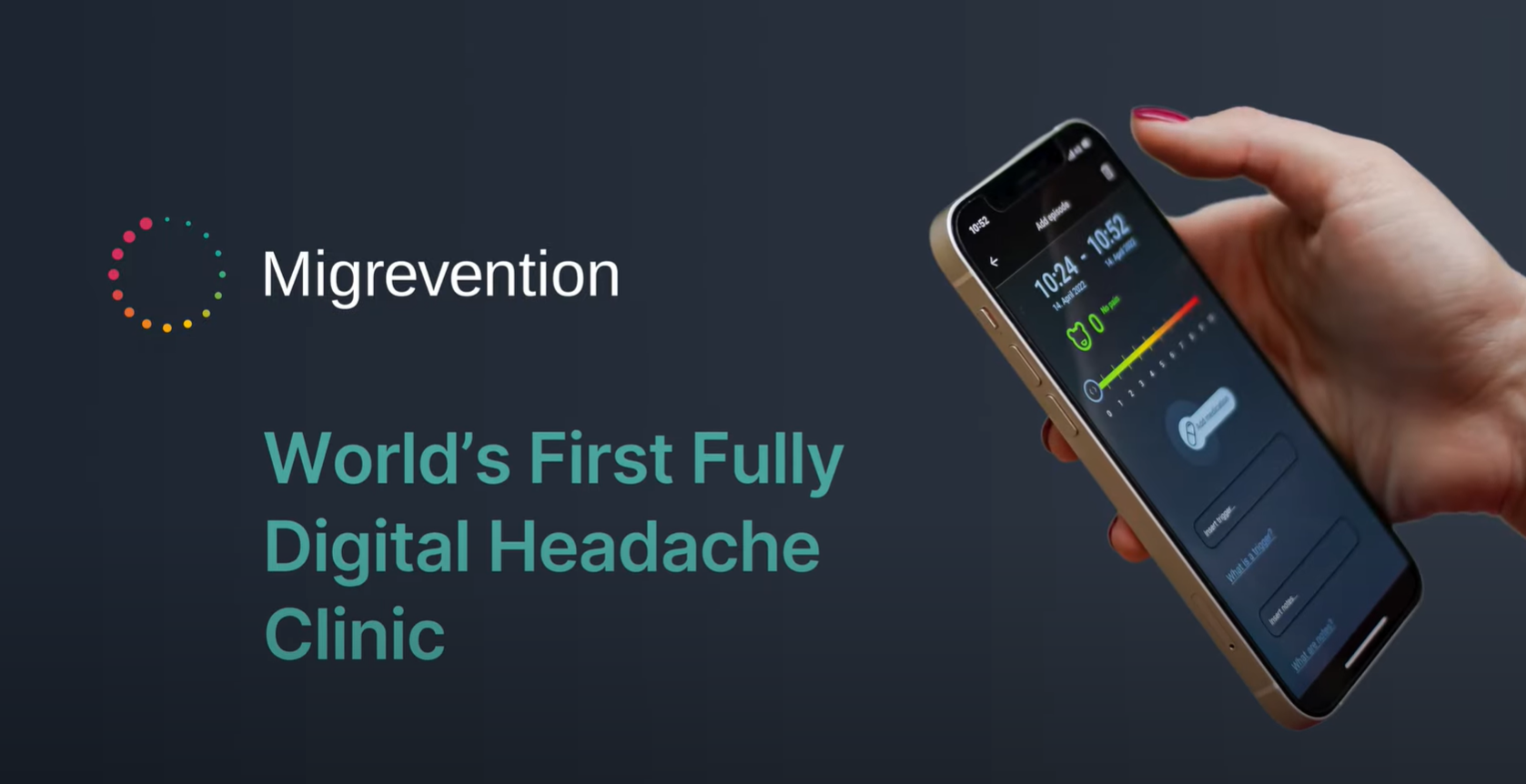
The Migrevention headache diary app is available for free download on both Google Play and the App Store.
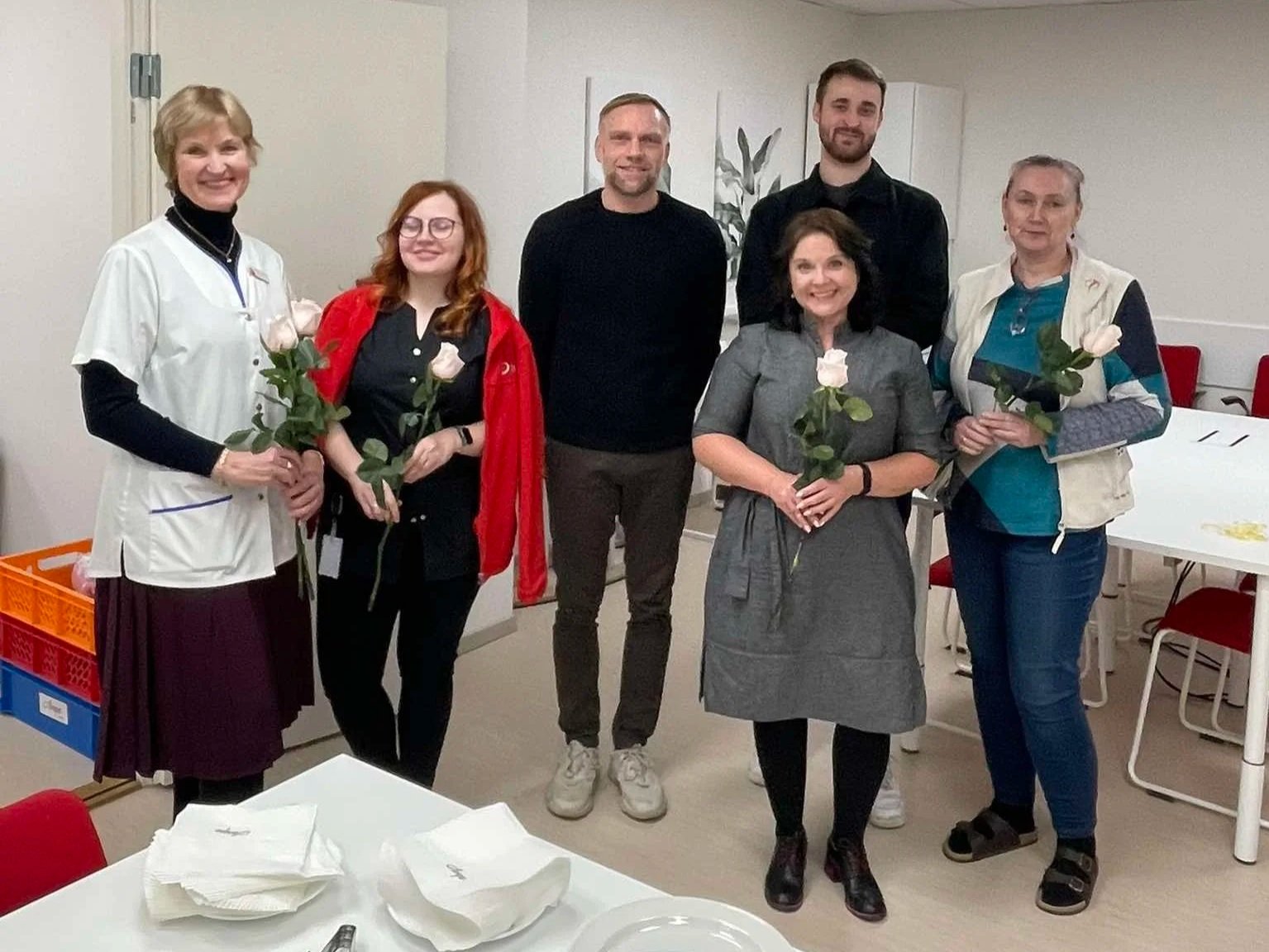
Implementing the digital care pathway in Ülemiste City
Migrevention’s digital solution has been in use at the Ülemiste Pealinna Family Doctors’ Centre for almost two years. During this time, a unified patient pathway has been established across all 20 family doctor practices: patients with headache complaints receive an initial assessment from their GP and then personalized support from a headache nurse.
The nurse guides patients in using the digital headache diary and monitors it in real time, providing rapid and individually tailored support.
A 2024 user study showed that:
61.9%
of patients reported improvement in their condition
72.1%
became more aware of headache triggers and medication use
97.6%
would recommend the solution to their relatives