
Is it migraine? The signs GPs look for
Migraine is a headache disorder, not just a bad headache. GPs diagnose it from the pattern of your attacks, not from a scan, so it helps to know what that pattern looks like.
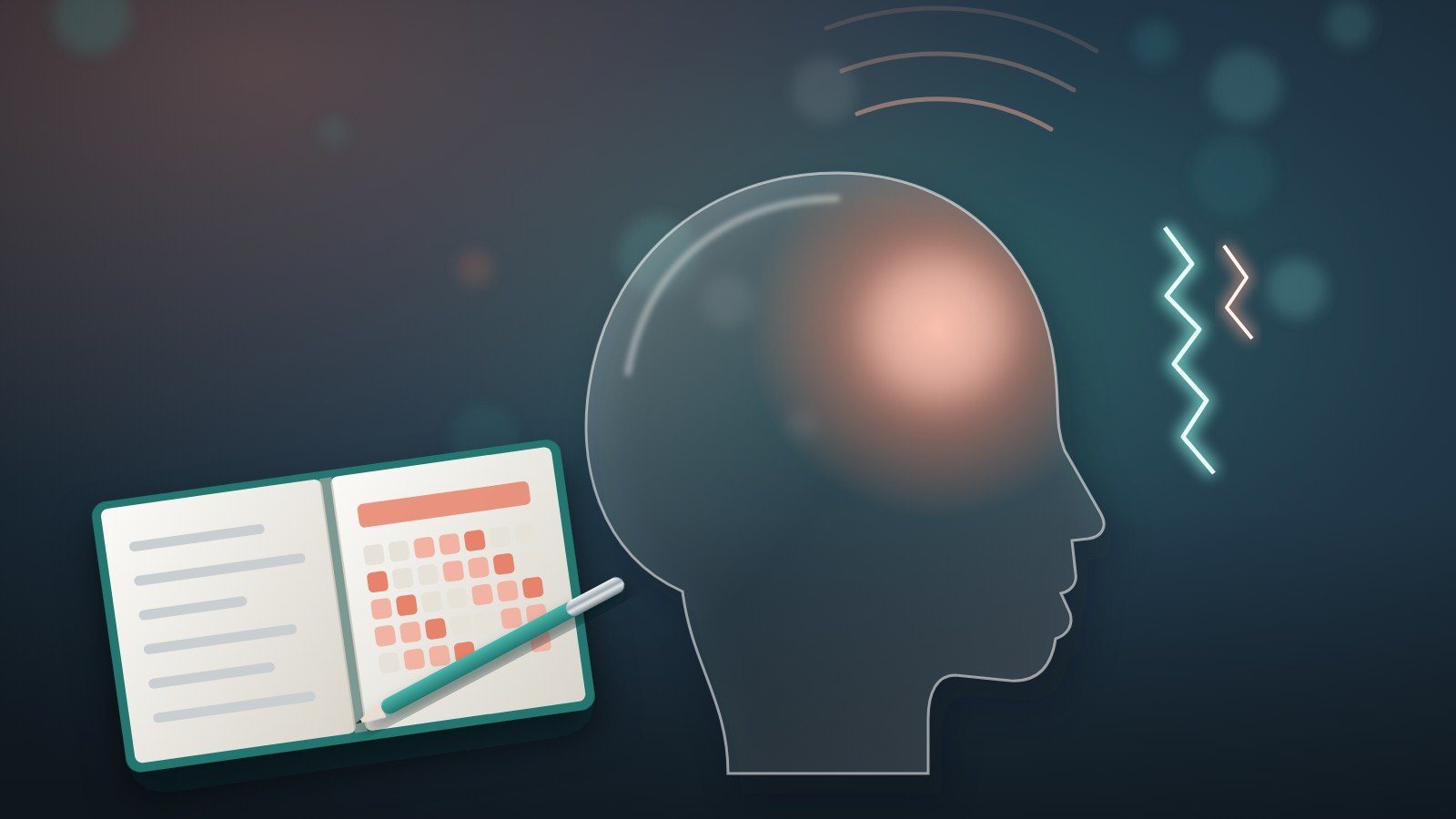
More than a bad headache
Migraine affects about 1 in 7 people in the UK and is around three times more common in women than in men. Many people still go years without a diagnosis. They treat each attack as a bad headache and reach for stronger painkillers.
Migraine is a neurological disorder that affects the brain's pain and sensory systems. Attacks come and go, and between them you're usually well. That's why the pattern over weeks and months tells your GP more than any single headache.
The signs GPs look for
Without treatment, a migraine attack usually lasts between 4 hours and 3 days. The headache tends to have at least two of these features:
- on one side of the head, although it can affect both (and also switch sides)
- throbbing or pulsing
- moderate or severe, enough to stop you carrying on as normal
- made worse by everyday activity, such as climbing stairs
It also comes with at least one of these:
- feeling sick or being sick
- finding light and noise hard to bear
Many people notice warning signs hours before the pain starts, such as yawning, tiredness, food cravings, a stiff neck or poor concentration. Afterwards it's common to feel drained for a day or so.
What aura is
About a third of people with migraine have aura. Usually it affects your sight: zigzag lines, flickering lights or a blind spot that spreads slowly over several minutes, lasts up to an hour, then clears completely. Some people get pins and needles that creep up one arm or across the face, or find it briefly hard to get words out.
If you have aura, tell your GP or pharmacist before starting or continuing the combined contraceptive pill or another combined hormonal method. NICE advises against combined hormonal contraception for people who have migraine with aura, because it raises the risk of stroke.
Sudden weakness on one side, a drooping face or slurred speech are not typical aura. Call 999. See our guide When a headache needs urgent care.
Migraine or tension-type headache?
Tension-type headache is the most common headache disorder. It feels like pressure or a tight band around the head, usually on both sides. It is mild to moderate, doesn't get worse with activity and doesn't make you feel sick. Most people can carry on with their day.
If your headaches stop you in your tracks, make you want to lie down in a dark room or come with nausea, migraine is the more likely answer.
Do I need a brain scan?
Usually not. If your symptoms fit a typical migraine pattern and your GP's examination is normal, NICE advises against scanning just for reassurance. A normal scan can't confirm migraine. Scans also often pick up small, harmless findings that lead to worry and more tests.
Your GP will refer you for imaging if something doesn't fit, such as a headache that is changing quickly or new neurological symptoms.
How to help your GP make the diagnosis
NICE recommends keeping a headache diary for at least 8 weeks. For each headache, note:
- When it started and how long it lasted
- How bad it was and what else you noticed, such as nausea or aura
- Any medicines you took, and on which days
- Possible triggers, such as poor sleep, missed meals or your period
Bring the diary to your appointment. It turns a hard-to-describe problem into a pattern your GP can read at a glance.
Start your diary today.The free Migrevention diary records your attacks, symptoms and medicines, and gives you a summary to show your GP.
Get the free diaryGetting the name right matters. Migraine has its own treatments, from triptans for attacks to preventive medicines when attacks are frequent, and ordinary painkillers alone often aren't enough.
Sources: NICE CG150, Headaches in over 12s: diagnosis and management. International Classification of Headache Disorders, 3rd edition (ICHD-3). NHS: Migraine.