
When episodic migraine becomes chronic, and what changes
For most people migraine comes in attacks, with good days in between. For some, the good days slowly disappear. Chronic migraine is a diagnosis in its own right, and getting it recognised opens up treatments that aren't offered for occasional attacks.
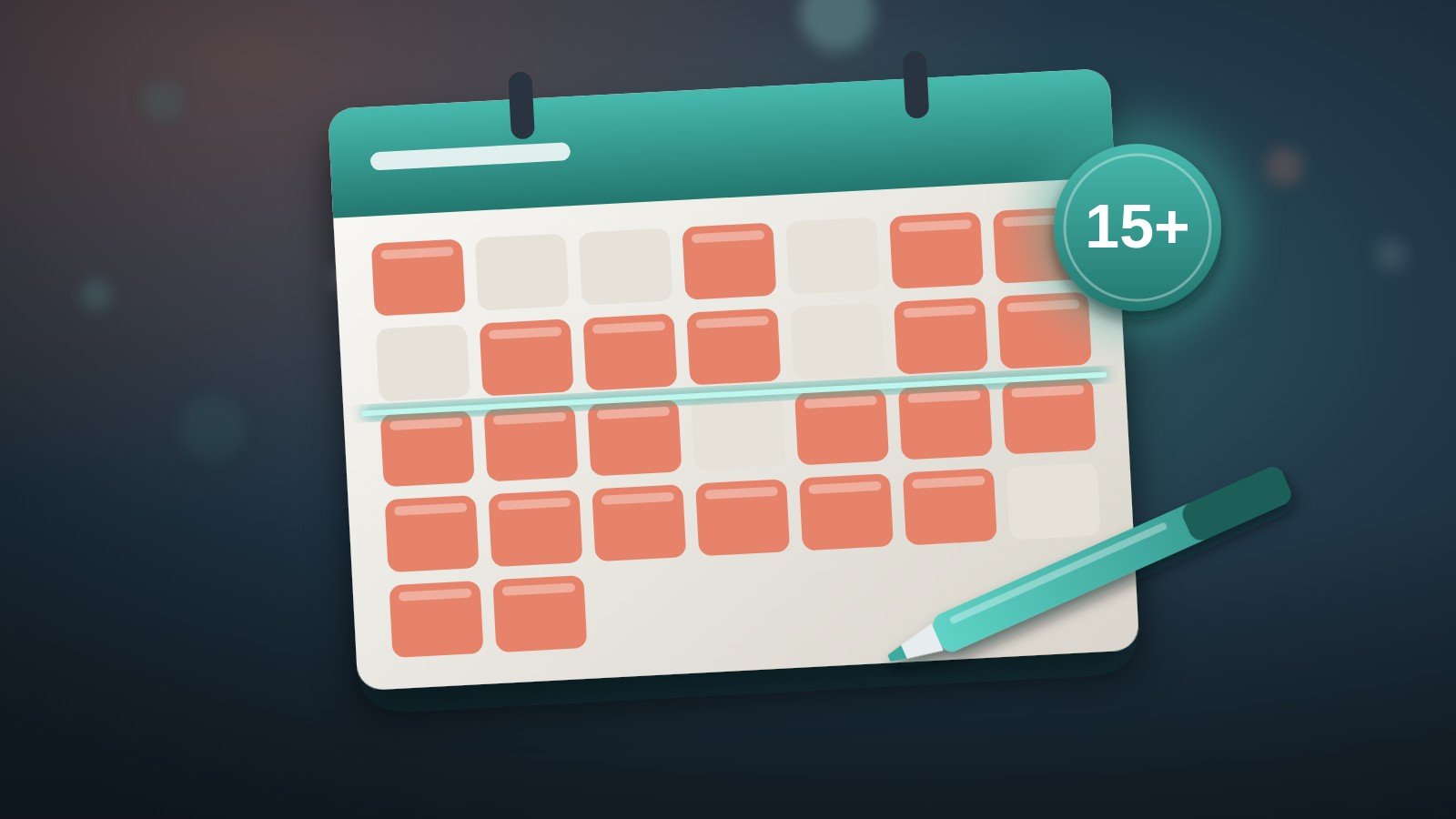
What counts as chronic migraine
Doctors describe migraine as chronic when, for more than three months, you have:
- a headache on 15 or more days a month, and
- migraine features on at least 8 of those days, or you treated the headache with a triptan
Everything below that is called episodic migraine, even if your attacks are frequent and severe. Around 1 to 2 in every 100 people have chronic migraine, and it can be very disabling.
Why migraine can become more frequent
Each year about 3 in every 100 people with episodic migraine move into the chronic range. There is rarely one cause. The things most linked to it are:
- frequent attacks to begin with
- taking painkillers or triptans too often, which can cause medication overuse headache (see our guide The headache that headache pills give you)
- poor or irregular sleep
- anxiety, depression or a period of heavy stress
- being overweight, and drinking a lot of caffeine
Many of these can be changed, which is why chronic migraine isn't necessarily permanent. With the right treatment, many people move back to having fewer headache days.
Why counting days matters
Chronic migraine is defined by numbers, and so is access to many NHS treatments. "Most days" and "every other day" can mean very different things to a specialist. What your doctor needs is how many headache days you had, how many of them were migraine days and how many days you took medicine.
A headache diary gives you those numbers. It also shows later whether a treatment is working, which is how the NHS decides whether you continue it.
Count the days that count.The free Migrevention diary tracks headache days, migraine days and medication days, the three numbers specialists ask for.
Get the free diaryWhat changes once it's diagnosed
Medication overuse is checked first. If you're taking pain relief on 10 to 15 days a month or more, your GP will usually deal with that first, because other treatments work less well while it continues.
Preventive medicines become the main treatment. The aim is fewer headache days, not stopping each attack. Most preventives need 2 to 3 months at the right dose before you can judge them.
Specialist treatments become possible. If at least three preventive medicines haven't helped or couldn't be tolerated, a headache specialist can consider:
- Botox injections. About 30 small injections around the head and neck, repeated every 12 weeks. NICE recommends them for chronic migraine once medication overuse has been managed. Treatment stops if headache days haven't fallen by at least 30% after two rounds.
- Anti-CGRP medicines. Monthly or quarterly injections, or a daily tablet, that target a protein involved in migraine attacks. For chronic migraine, NICE expects headache days to fall by at least 30% after 12 weeks for treatment to continue (see our guide Tried several preventives? What comes next on the NHS).
These are usually started in a headache clinic, so ask your GP about referral if you meet the criteria.
Living with it day to day
Medicine is only part of it. Regular sleep and mealtimes, keeping active and cutting back on caffeine all help lower the baseline. Psychological support, such as CBT, won't cure migraine, but it can make a long-term condition easier to live with. Chronic migraine can also affect work, and you may have more rights there than you think (see our guide Migraine at work: what your employer has to do).
Sources: NICE CG150, Headaches in over 12s: diagnosis and management. NICE TA260, Botulinum toxin type A for the prevention of headaches in adults with chronic migraine. NICE TA973, Atogepant for preventing migraine. International Classification of Headache Disorders, 3rd edition (ICHD-3).